
I started using Solana wallets a few years ago, mostly experimenting. At first I stuck with mobile apps and desktop clients for every test. But when the web dapps matured and trading UI became slicker, I began trying browser extensions to keep assets handy while I surfed markets and minted NFTs. The convenience was immediate and also a little unsettling. Wow!
Extensions blur lines between your browser and your private keys if you’re not careful. Seriously, that part deserves attention from anyone moving funds. Initially I thought a browser wallet would be just another convenience layer, but then realized its attack surface is different and in some ways more exposed than a cold wallet, especially on Windows machines with lots of extensions installed. So you need to think about habits and environment before installing. Hmm…
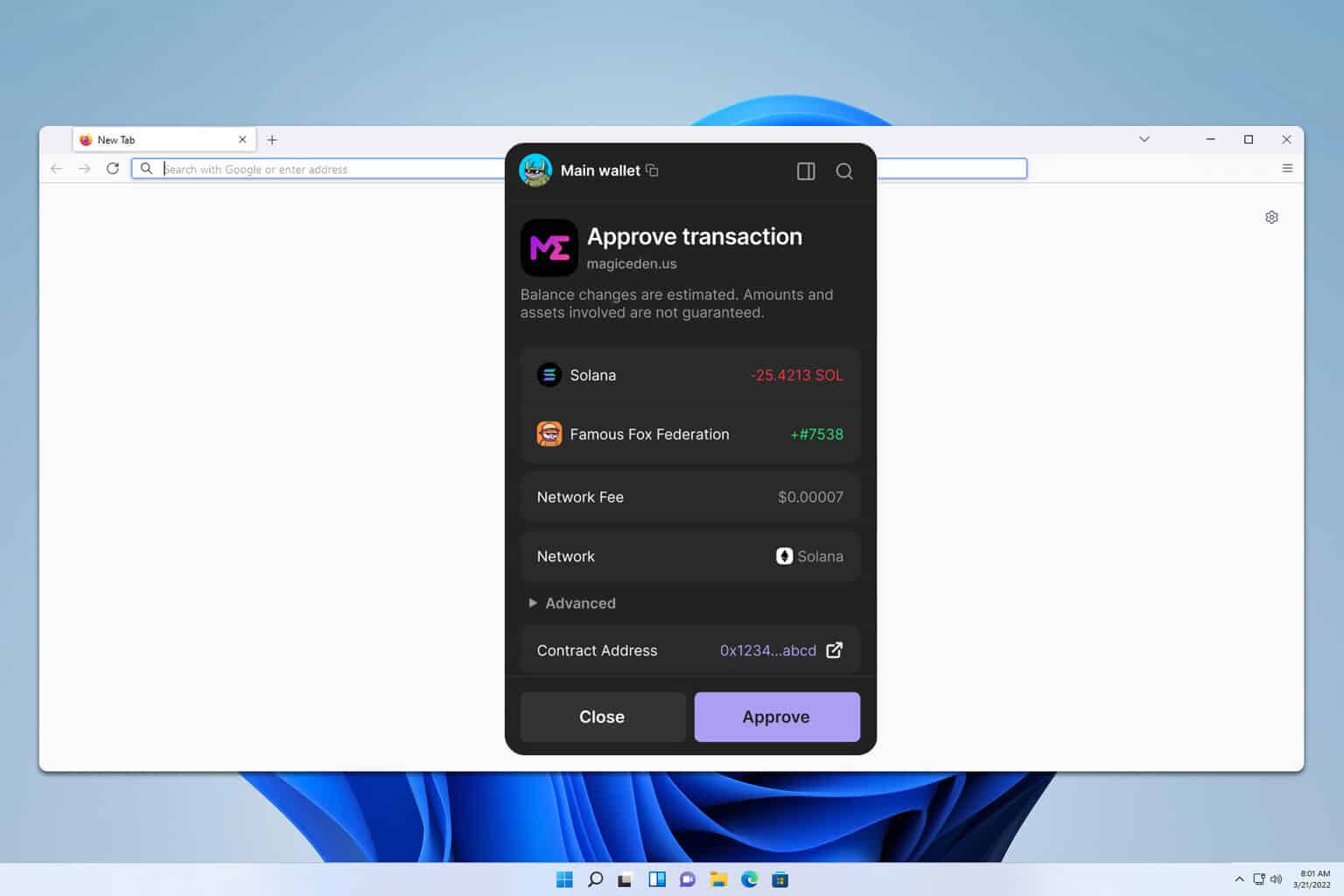
Here’s what bugs me about some wallet extensions these days. UI promises instant signing and fast swaps, but the permission dialogs are often vague. On the one hand these dialogs speed workflows, though actually they can mask broad permissions like transaction simulation and account access that dapps may misuse if you accept blindly, which is why I read every line even when impatient. My instinct said to be skeptical and that paid off. Really?
Phantom built its reputation on Solana as a smooth, user-friendly extension. It feels native to the Solana ecosystem and integrates well with marketplaces. And yet there are nuances — like how it handles multiple accounts, hardware wallet integration, and network switching — that can trip up new users if they assume all wallets behave the same way across chains and dapps, so patience matters. I learned that the hard way during a late-night NFT drop. Wow!
Okay, so check this out—I lost the seed phrase to an account once, temporarily, and panicked. I wasn’t proud of it and I’m biased, but that experience taught me to treat backups like oxygen. If you plan to use browser extensions for trading, staking, or minting, use a hardware wallet combo or at least a well-sealed mnemonic backup stored offline, because moving liquidity frequently increases exposure and mistakes compound quickly when you operate on a busy hotspot or shared computer. Practical safety practices matter as much as software choice in daily routines. Yikes!
For US users, privacy and AML concerns often come up at exchanges, though wallets themselves are mostly client-side. That said, the browser environment can leak metadata: IPs, active tabs, plugin lists. So while a wallet like Phantom doesn’t custody your funds, the way you interact with dapps can reveal behavioral patterns, which matters if you value anonymity, and it should influence whether you connect to ephemeral sites or bookmark them carelessly. Use private windows for experimental dapps and avoid reusing the same browser profiles for high-risk activity. Hmm…
Performance is another angle; Solana is fast, but front-end hiccups can make you second-guess. I’ve seen race conditions where confirm dialogs stack and it felt messy. Developers often assume network responsiveness, though actually frontend UX can be brittle during congestion or RPC node failure, and users need ways to retry, view pending transactions, or switch endpoints without losing context or signing the wrong thing. Phantom gives decent feedback, but support channels vary by issue severity. Whoa!
Integration with hardware wallets has improved a lot over the past year. That tether to a ledger or Solflare device changes the risk model substantially. If you can, pair your extension with a hardware device for large balances, because requiring physical taps for signatures prevents many automated compromises, though it won’t protect you from social engineering or malicious sites that trick you into signing legitimate-looking transactions. Always preview transaction details, especially recipient addresses and token amounts. Seriously?
Where to get started
If you’re ready to try a polished Solana extension with a strong UX, consider installing the phantom wallet from a trusted source and following these basic precautions: create a small hot wallet for daily activity, pair larger holdings with hardware storage, and keep offline backups of your seed phrase in a few separate, secure locations.
Now about the install process—be careful where you click. Fake extensions and copycats proliferate, especially after big drops or during hype cycles. My rule is to cross-check community channels, official docs, and only use trusted stores, and even then I verify publisher names because attackers sometimes spoof icons and descriptions to capture clicks and then request broad permissions that I wouldn’t grant to a casual site. Install from a published, reputable source and avoid sketchy links in tweets. Wow!
Okay, here’s a practical tip for anyone trying the Solana extension route. Create a small hot wallet for day trading and keep the bulk in cold storage. Initially I thought splitting funds across multiple browser profiles was overkill, but after watching session tokens persist and extensions sync unexpectedly, I now use isolated profiles and separate OS user accounts for different levels of risk, and that layered approach has reduced accidental exposures significantly. If you’re curious about getting started, that layered approach is simple and effective. Go figure…
FAQ
Is a browser extension safe for large balances?
Not by itself; use hardware wallets or cold storage for large balances and limit the extension to spending money only. I’m not 100% sure about every threat vector, but this has worked well for me.
How do I verify an extension is legit?
Check the publisher name, read community threads, and confirm checksum or official documentation. (oh, and by the way…) treat any unsolicited install link like a red flag.