
Whoa! I installed a Solana wallet extension last week on my laptop. It felt instant and lightweight, which is a nice change. Initially I thought browser wallets were all gimmicks, but then I started using one to manage NFTs and stake SOL and my thinking shifted as I saw how smooth transactions were on devnets and mainnet clusters when gas fees stayed low. I’m not saying it’s flawless, though — there’s nuance.
Seriously? For folks who collect NFTs, browser extensions make discovery and transfers fast and visible. You can preview tokens, set custom SPL labels, and watch activity. That visibility reduces wallet mistakes and helps during tax season. On the other hand, when an extension handles your keys locally it introduces a single point of compromise that you need to manage with habits and sometimes external tools like hardware wallets that add an extra on-chain security layer.
Hmm… Security is the part where my gut really tenses up. Extensions store the encrypted seed in browser storage and rely on your device integrity. Initially I thought browser-based wallets couldn’t be hardened much, but then I tested Ledger integration and saw that, with proper setup and a verified RPC, you can sign with a device while still enjoying the UX of a browser plugin. That hybrid approach reduces risk because the private key never leaves the secure element, though you still must trust the extension to correctly present transaction details and not be subject to DOM spoofing or phishing overlays which are the sneaky threats.
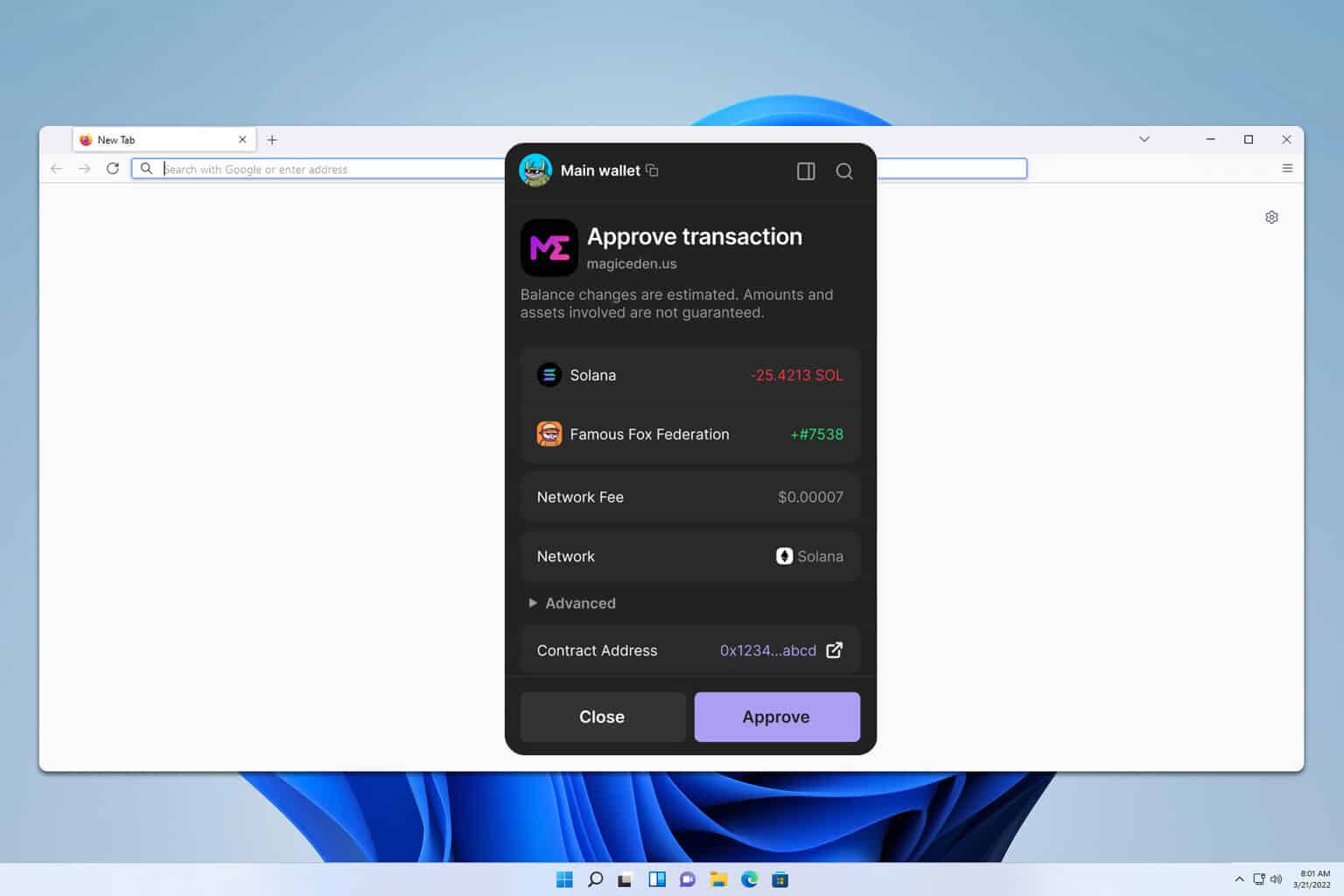
Wow! Good UX matters a lot for mainstream adoption and daily use. Extensions let you lock with a password, create multiple accounts, and switch clusters. For NFT collectors, features like image previews and collection grouping save time. But remember: easy UX sometimes hides powerful actions, so the extension needs clear confirmations, readable memos, and optional warnings when you authorize large transfers or unfamiliar program interactions.
Really? Gas and fees on Solana are low, which makes experimenting cheap. That encourages minting, trading, and moving NFTs without agonizing over cents. I tried a few minting dApps and was surprised by how seamless the flow is when your wallet handles the transaction signing smoothly, but there were moments where RPC congestion delayed confirmations and that can spook newcomers. On the flip side, cheap fees sometimes lead to spam tokens and dust, so good wallet UX should include simple filters, token hiding, and clear metadata verification to help users tell scams from legitimate drops.
Here’s the thing. Using a seed phrase backup is boring but it is the critical piece for recovery. Write it on paper, keep copies in separate places, and consider a metal backup for longevity. Don’t screenshot or store the phrase in cloud notes. Also, for high-value collections or staking large SOL amounts, move keys to a hardware wallet and pair it with the extension so you get both convenience and strong custody.
I’m biased, but integration with marketplaces is where extensions shine for NFT users. Auto-connect saves time, yet it raises the chance you’ll approve a malicious contract when rushing. A good habit is to verify the destination address, check verified program IDs on Solana explorers, and review the instruction set when a dApp asks for nonstandard permissions, though I admit casual users won’t parse raw instructions often. Tooling like transaction simulators and third-party audits help, but they are not foolproof so keep small balances when testing and move the rest to cold storage.
Want to try one that balances UX and security?
Wow! If you’re curious, try the phantom wallet — it balances UX and community support. Install from a trusted source, verify the extension ID, and double-check permissions during setup. Pair it with a Ledger if you hold much value; that extra step cuts exposure. My instinct said ‘keep small allotments in hot wallets and put the rest offline’, and actually, after testing, that workflow felt like the right balance between convenience and security for everyday collectors and traders who are not institutional custodians.
FAQ
How do I keep NFTs safe in a browser extension?
Use a hardware wallet for large holdings, back up your seed phrase in at least two physical places (paper or steel), enable strong OS-level security, verify dApp program IDs before approving, and test new sites with tiny amounts first — somethin’ as small as a few dollars can teach you a lot. (Oh, and by the way… keep your browser up to date.)